By Adán de Salas Quiroga

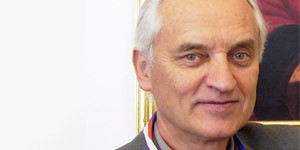
Adán de Salas Quiroga is a neurobiologist who specialises in the science of cannabis and the endocannabinoid system, with more than ten years' research experience. He has studied the therapeutic properties of cannabis and its mechanisms of action in various clinical conditions, acquiring extensive experience in multiple biomedical aspects related to cannabinoids. He has worked in several research centres and his work has resulted in numerous articles in high-impact scientific journals, a book chapter and dozens of presentations at national and international conferences.
Currently, Adán provides high quality independent training for health professionals and offers R&D consultancy to companies in the field of medical cannabis. Within this framework, and together with Brazilian neurosurgeon Patricia Montagner, he is co-author of the Treatise on Endocannabinoid Medicine, the largest compendium available to date on the clinical evidence for the medical use of cannabis. He is also the scientific coordinator of the WeCann Summit, considered the largest medical cannabis congress in the world, which brings together nearly 1,500 doctors from different disciplines and countries every year in Brazil.
Adán holds a degree in Biology and a Master's and PhD in Biochemistry, Molecular Biology and Biomedicine from the Complutense University of Madrid.
Meet the Experts is a series of interviews conducted by experts from the field of Cannabis to world leaders in research and clinical practice of Cannabis as medicine.
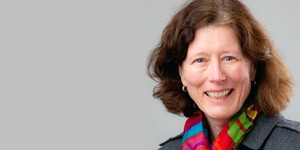
Patrícia Montagner is a neurosurgeon certified by the Brazilian Society of Neurosurgery. She holds certification from the World Institute of Pain (WIP) in minimally invasive procedures for pain management. Currently, she is the Medical Director of the NeuroVinci Clinic in Florianópolis. She is a founder of WeCann Academy, a global community dedicated to the study of endocannabinoid medicine that connects specialists from around the world to integrate scientific evidence and practical experience. Dr Patrícia is also co-author of the Treatise on Endocannabinoid Medicine, a comprehensive manual on this form of therapy, and the creator and host of the WeCann Summit, the world's largest medical congress devoted to endocannabinoid medicine.

What led you to train as a neurosurgeon?
I was always very good at biology, I had a strong desire to help people, and I was never squeamish about blood; that's why I decided to study medicine, thinking about specialising in surgery from the start. I chose neurosurgery the moment I first saw an exposed brain, pulsating, alive! I was in my fourth year of medical school. It was thrilling to see the most powerful organ in the human body fully active. In that moment, I decided I wanted to devote the rest of my life to it.
What prompted you to start prescribing cannabis?
When I finished my training, I opened my clinic and began seeing my own patients. I imagined I would see many cases of brain tumours, aneurysms, spinal cord compressions... But what actually came through the door were numerous patients with chronic pain. And it could hardly be otherwise: after all, pain is the main reason people seek medical care in Brazil and worldwide; 20% of the global population suffers from some form of chronic pain.
It soon became clear to me that, for many patients with chronic pain and various neurological disorders, the conventional therapeutic arsenal was limited. I felt compelled to help those who had not found any treatment capable of easing their pain and suffering. That was when medical cannabis entered my professional life. Around 11 years ago I began prescribing cannabis-based products to these patients and, in many cases, obtained surprisingly satisfactory results. That is why I decided to immerse myself in studying it: I wanted to understand how and why these treatments worked, the rationale behind those outcomes, and how I could make them better.
Did you learn anything about cannabis as a therapeutic tool at medical school?
Practically nothing. I think the endocannabinoid system (ECS) was mentioned in a human physiology class, but we weren't taught about the huge range of functions it regulates or its enormous potential as a therapeutic target.
You often say we should prioritise the patient over the disease. How does endocannabinoid medicine influence that new paradigm?
Medical cannabis reconnected me with my desire for medicine that is simpler, more integrative, and more cost-effective, and it has allowed me to achieve better results in both surgical and non-surgical patients.
Single-molecule drugs usually have a narrow range of action. We need one molecule for each symptom. We prescribe opioids for pain, anticonvulsants for neuropathic pain, antipsychotics and antidepressants for mood disorders, benzodiazepines for anxiety and insomnia, antiemetics for nausea, muscle relaxants for spasticity... By contrast, multi-molecule medicines such as cannabis offer a broad spectrum of action and allow us to treat the person rather than just a symptom. A patient with stroke or multiple sclerosis who uses cannabis to improve spasticity-related pain also experiences improvements in sleep quality and mood. A patient with chronic lower back pain who uses cannabis not only prevents pain crises. They also sleep better, are less irritable and anxious, and are more sociable and productive. A patient with cancer and oncological pain benefits from cannabis's analgesic effects, but also from its antiemetic properties, appetite stimulation, sleep induction, and the sense of wellbeing and relaxation that often accompanies these compounds.
This is not to say cannabis is a panacea—the solution to every problem—or that we should abandon everything else and use only cannabis for our patients. But today's pharmacological options for most chronic disorders largely operate in palliative territory, addressing only occasional symptoms and falling far short of reversing aetiopathogenic processes. Endocannabinoid medicine has the potential to change that paradigm. The therapeutic properties of cannabinoids and modulation of the ECS offer the real possibility of treating patients on multiple fronts and altering the natural history of these diseases, leading to significant, sustainable improvements in quality of life.
You are a founder of WeCann Academy, a leading platform for education in endocannabinoid medicine in Latin America and one of the largest in the world in this field. Can you explain what it offers and what prompted you to create it?
As I was saying, prescribing cannabis is quite different from the usual allopathic approach. Here we have a wide spectrum of action, multiple molecules acting on multiple targets, and interacting directly with a highly complex system. We have a broad therapeutic window and bidirectional effects depending on the dose. Patients with the same diagnosis and symptoms can respond similarly to different formulations, and even markedly different doses can produce similar outcomes. In these therapies, each case is unique, and if you don't know how to individualise treatment, it's impossible to obtain good outcomes.
So how do we absorb this knowledge if doctors don't have access to it at medical school or during specialty training? WeCann was created to solve that problem: to help doctors from all specialties and from all over the world safely and effectively incorporate this knowledge into their practice.
Our platform offers more than 300 hours of recorded classes covering technical content; continual updates through talks with internationally renowned physicians and scientists; live discussion of clinical cases; tailored pathways for different specialties; forums to debate real cases within a community that today exceeds 3,000 doctors; and a digital book that compiles and organises all the technical material from the classes.
You co-authored the Treatise on Endocannabinoid Medicine. What can readers expect?
Research has grown exponentially since the discovery of the ECS. Currently, there are over 39,000 scientific articles on PubMed when you search the term "cannabinoids". This poses a huge challenge for doctors who want to position themselves with genuine critical judgement in a field saturated with studies, biases, and stigma. Even for those who find the time and motivation to analyse excellent scientific publications, building practical guidelines for prescribing strategies remains difficult.
The Treatise compiles more than two thousand scientific articles to provide quick, simple access to theory and practice in one place. The handbook explores the role of the ECS and the therapeutic potential of cannabis in more than 30 diseases and clinical conditions, offering a meticulous view of the most qualified, up-to-date evidence in the field, while also incorporating the extensive practical experience of professionals who have spent decades accompanying thousands of patients in their regular use of medical cannabis. We have strived to make it an engaging read, with images and graphics that bring the text to life and make it easier for readers to grasp.
Beyond the courses, what other projects is WeCann Academy working on?
In 2023, we set out to create a project to give visibility to the available scientific evidence on the effectiveness of medical cannabis and to let science (not passions) chart the course. To that end, we formed a partnership with the Brazilian Academic Consortium for Integrative Health (CABSIN) and with BIREME, the Latin American and Caribbean Centre on Health Sciences Information, which is responsible for publishing scientific information and evidence for the Pan American Health Organization (PAHO) and the World Health Organization (WHO). We assembled a group of researchers to develop the Evidence Map of Medical Cannabis with the goal of supporting healthcare professionals, managers and researchers in decision-making based on qualified evidence. Only systematic reviews—the apex of the evidence pyramid—were used to build the Map. To assess the level of confidence and quality of the evidence reported in those systematic reviews, external reviewers applied the AMSTAR 2 tool.
Considering only high-level confidence studies with positive or potentially positive effects, the Map identified multiple applications beyond epilepsy: for example, pain relief (including neuropathic pain), multiple sclerosis, muscle spasticity, improvements in sleep quality, and symptoms of substance withdrawal. Although studies showing positive or potentially positive effects predominate, there are also numerous studies with inconclusive results or no effect. At present, the main knowledge gaps for medical cannabis are concentrated in mental disorders.
We need more studies that translate improvements in subjective parameters—such as overall quality of life—into numbers and metrics. This is something we often observe in practice with this therapy, but which most studies struggle to capture.
The full methodology of the Map and its main findings can be consulted in the official publication*.
This year you are organising the third edition of the WeCann Summit, the world's largest event on endocannabinoid medicine. Could you give us a snapshot of the congress and what's planned for 2025?
WeCann Academy operates essentially in the digital sphere, but from the outset we wanted the energy and strength of an in-person gathering. It wasn't our aim, but from the very first edition in 2023 we became the largest medical congress in the field, bringing together over 1,300 doctors from more than 50 specialties. In 2024 we again hosted more than 1,400 doctors from all Brazilian states and several countries, studying and exchanging experiences to update their knowledge and achieve better results in practice.
The WeCann Summit is a medical congress intentionally designed as an immersive, well-structured learning journey. We consider the varying levels of prior knowledge in our audience and carefully select the programme based on what we consider most essential and groundbreaking. At our own audience's request, in the 2025 edition we are organising content into four tracks: an introduction to medical cannabis, with talks covering ECS fundamentals and the main clinical applications to empower doctors from different specialties in their first prescriptions; an advanced level in medical cannabis, with specialised content for experienced prescribers with prior training, focused on complex scenarios and advanced therapeutic strategies; new frontiers of medicine, which explores emerging technologies and potentially revolutionary treatments, offering an update on the most promising areas of medicine. This year we will address the impact of artificial intelligence in medicine, new paradigms in mental health treatment through psychedelic-assisted therapies—such as ketamine, ayahuasca, psilocybin, MDMA and others—as well as full immersion in the key concepts and main applications of regenerative medicine. And finally, an exclusive track of real-world case discussions across diverse conditions, providing doctors with practical guidance for immediate application in clinical practice.
Let's speculate a little. In light of medical, pharmacological and technological advances, how do you see the future of medicine?
The future of medicine is evidence-based and grounded in real-world data, centred on each patient's needs and particularities, and connected to technologies designed to optimise and enhance the doctor–patient relationship, reducing risks and the costs of therapeutic care.
Combining high-level evidence with real-world data expands diagnostic and therapeutic precision, enables care to become increasingly personalised and guided by measurable outcomes, and turns every consultation into part of a continuous journey of learning and refinement in medical practice. The technologies underpinning this transformation—such as artificial intelligence, intelligent medical records and digital clinical support platforms—will not replace the human dimension of care; they will strengthen it. By reducing bureaucracy and streamlining care pathways, they give quality time back to doctors to cultivate listening, empathy and a genuine presence with the patient.
The result is a model of medicine that is safer, more efficient, more sustainable and essentially human.
Many thanks for your time and for sharing your perspective, Patrícia. We wish you the very best of luck with your projects.
* Montagner et al., Charting the therapeutic landscape: a comprehensive evidence map on medical cannabis for health outcomes Front. Pharmacol. 2024 Nov 26:15:1494492 (https://www.frontiersin.org/journals/pharmacology/articles/10.3389/fphar.2024.1494492/full)